
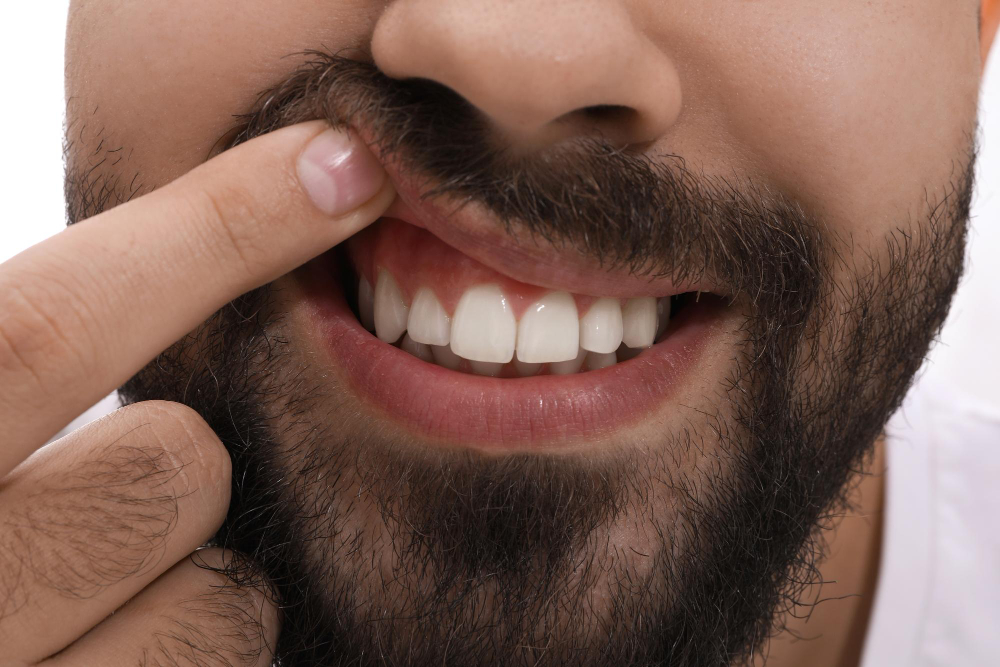
Introduction to Periodontal Diseases
Periodontal diseases, also known as gum diseases, affect the tissues that support your teeth. These conditions are common and can lead to tooth loss if not treated. According to the CDC, many adults have some form of gum disease. Early care can help prevent serious problems. In this blog, you will learn about the symptoms, causes, and treatments for periodontal diseases. You will also find tips for keeping your gums healthy.
Common Symptoms
It is important to notice signs of gum disease early. This can help you get treatment before it becomes severe. Watch for these common symptoms:
If you notice any of these signs, you should see a dentist soon. Early action can make a big difference.
Main Causes
Gum diseases usually start with plaque, a sticky film of bacteria on your teeth. If you do not remove plaque, it can harden into tartar. This makes it harder to clean your teeth and can lead to infection. Several factors can increase your risk:
Because these risks add up, good daily care is very important.
Diagnosis Methods
Early diagnosis helps prevent severe gum disease. Dentists use several methods to check for periodontal diseases:
With these tests, your dentist can find out how serious the gum disease is. Then, they can suggest the best treatment for you.
Treatment Options
Treatment for gum diseases depends on how severe the problem is. Early stages, like gingivitis, can often be reversed with good care. For more advanced cases, dentists may suggest:
After treatment, regular dental visits are key to keeping your gums healthy. If you are looking for gum disease treatment in your city, ask your local dental clinic for options.
Prevention Tips
Preventing periodontal diseases is possible with simple daily habits. Here are some tips to help you keep your gums healthy:
By following these steps, you can lower your risk of gum disease.
Lifestyle and Oral Hygiene Guidance
Healthy habits play a big role in gum health. For example, eating crunchy fruits and vegetables can help clean your teeth. Drinking water after meals can wash away food particles. If you have diabetes, keeping your blood sugar under control can also protect your gums. Remember, stress can affect your immune system and make gum problems worse. So, try to manage stress with exercise or relaxation techniques. Always use a soft-bristled toothbrush and replace it every three months. These small changes can make a big difference in your oral health.
For personalized advice on gum health, consult a dental specialist at Reliable Dental Care and Implant. Early care and good habits can help you keep your smile healthy for life.