
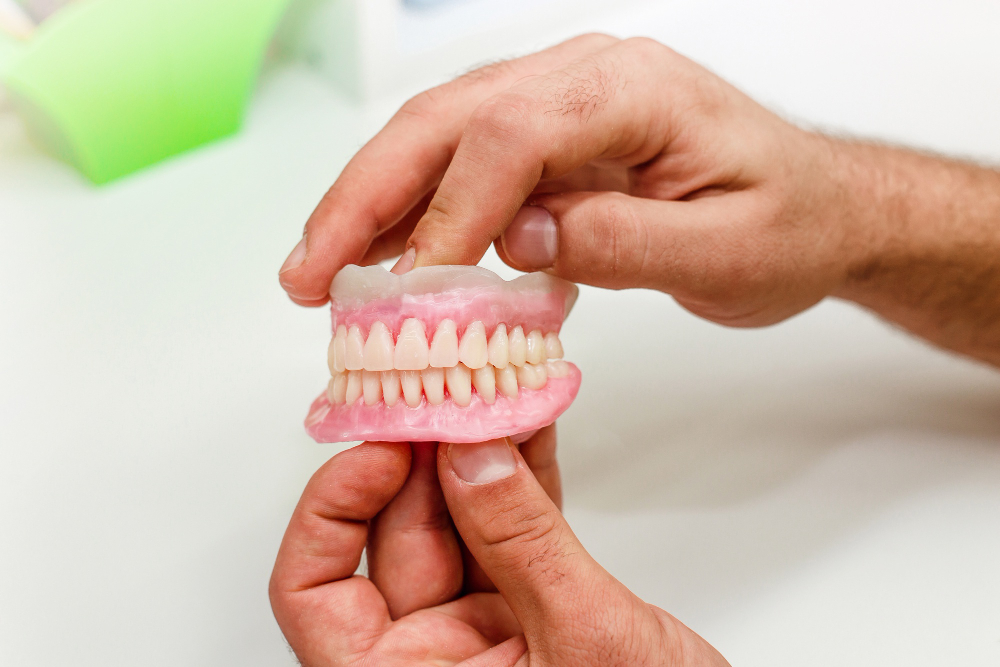
What Are Dentures?
Dentures are removable devices that replace missing teeth. They help restore your smile and make eating easier. Many people choose dentures to improve their appearance and oral health. In fact, dentures can boost your confidence and help you speak clearly. If you have lost teeth, dentures may be a good solution.
Types of Dentures
There are several types of dentures. Each type serves a different need. Let’s look at the main options:
Each type has its own benefits. Your dentist will help you choose the best dentures for your needs.
Benefits of Dentures
Dentures offer many advantages. For example, they restore your ability to chew and speak. In addition, they support your facial muscles and prevent a sunken look. Here are some key benefits:
Because dentures are custom-made, they fit your mouth well and look natural.
Who Needs Dentures?
Many people need dentures due to tooth loss. This can happen from gum disease, tooth decay, or injury. Seniors often need dentures, but younger adults may need them too. If you have trouble chewing or notice gaps in your smile, dentures might help. However, only a dentist can decide if dentures are right for you.
How Are Dentures Made and Fitted?
The process of getting dentures involves several steps. First, your dentist examines your mouth and takes measurements. Next, they make molds of your gums and teeth. Then, a dental lab creates your custom dentures. After that, you return to the dentist for fitting. They will adjust the dentures to ensure comfort and a good fit. Sometimes, you may need a few visits for adjustments.
What to Expect During the Adjustment Period
At first, wearing dentures may feel strange. You might notice extra saliva or mild soreness. However, these issues usually improve within a few weeks. During this time, practice speaking and eating with your new dentures. If you feel pain or the dentures do not fit well, contact your dentist. They can make small changes to help you adjust.
Daily Care and Cleaning Tips
Proper care keeps your dentures clean and your mouth healthy. Here are some simple tips:
With good care, dentures can last many years. For more advice, ask your dentist about the best way to clean dentures.
Common Problems and Solutions
Sometimes, people face issues with dentures. For example, dentures may feel loose or cause sore spots. If this happens, visit your dentist for an adjustment. Here are some common problems and tips:
Because dentures may change over time, regular dental check-ups are important.
Tips for Eating and Speaking with Dentures
Eating and speaking may take practice with new dentures. However, these tips can help:
Over time, you will feel more comfortable eating and talking with dentures.
Prevention of Oral Issues with Dentures
Even with dentures, you need to care for your mouth. For example, clean your gums and any natural teeth daily. In addition, visit your dentist for regular check-ups. This helps prevent gum disease and other problems. If you notice any changes in your mouth, tell your dentist right away. Good oral care keeps your mouth healthy and your dentures fitting well.
Conclusion: Consult a Dentist for Personalized Advice
Dentures can restore your smile and improve your quality of life. However, choosing the right type and caring for them is important. If you think dentures may help you, consult Reliable Dental Care and Implant. They can guide you through the process and answer your questions. With the right care, dentures can help you eat, speak, and smile with confidence.