
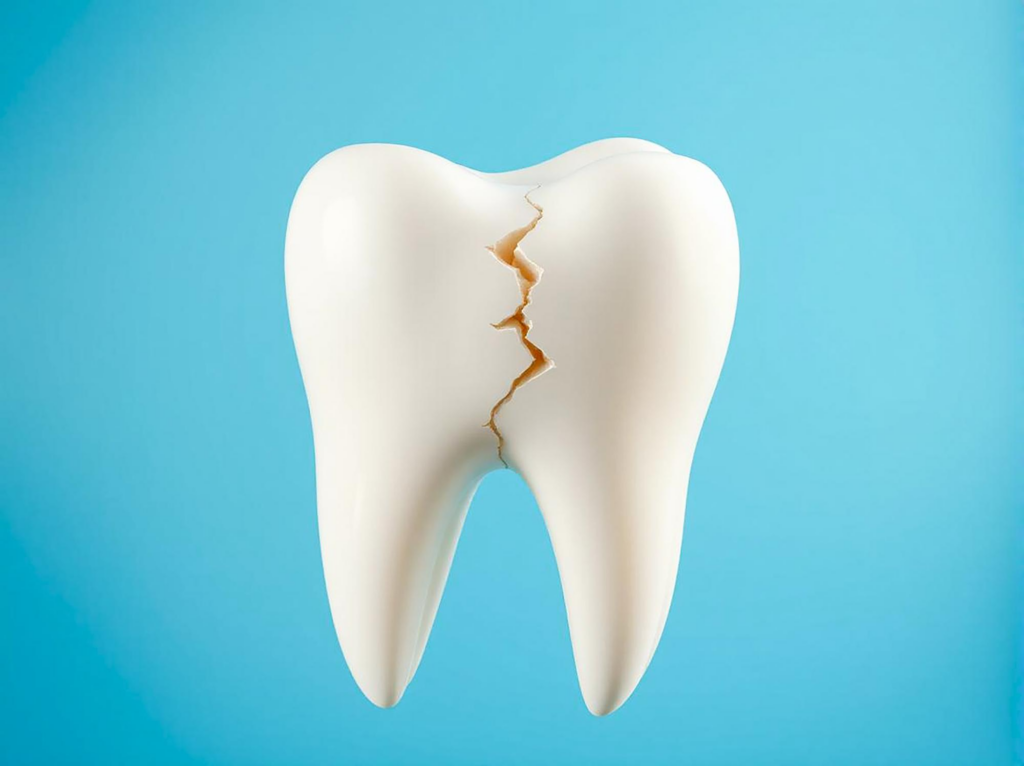
What is a Tooth Fracture?
A tooth fracture means a crack or break in your tooth. This can happen to anyone, and it may affect any part of the tooth. Sometimes, the crack is small and hard to see. Other times, it is large and painful. Tooth fractures are important because they can lead to pain, infection, or even tooth loss if left untreated. Early care helps prevent bigger problems. Dentists often call this a dental fracture or cracked tooth.
Common Causes of Tooth Fracture
Many things can cause a tooth fracture. Knowing these causes can help you avoid them. For example, biting hard foods is a common reason. But there are other causes too:
Because these causes are common, it is important to be careful with your teeth every day.
Symptoms of a Tooth Fracture
Tooth fracture symptoms can vary. Sometimes, you may not notice any signs at first. However, many people feel pain when chewing. Other symptoms include:
Even if the pain is mild, it is wise to see a dentist. Early treatment can stop the problem from getting worse.
How Tooth Fractures are Diagnosed
Dentists use several methods to find a tooth fracture. First, they will ask about your symptoms and check your mouth. Next, they may use a bright light or a special dye to spot cracks. Sometimes, they take dental X-rays. Although X-rays do not always show small cracks, they help rule out other issues. Dentists may also use a tool to gently tap the tooth. If you feel pain, it can help locate the fracture. Quick diagnosis leads to better treatment and less pain.
Treatment Options for Tooth Fracture
Treatment depends on how deep or wide the crack is. For minor cracks, dentists may smooth the tooth or use a filling. For larger cracks, other treatments may be needed:
Because each case is different, your dentist will choose the best option for you. Early care can save your tooth and prevent infection.
Prevention Tips for Tooth Fracture
Preventing a tooth fracture is easier than treating one. Here are some helpful tips:
Because prevention is key, follow these steps to keep your teeth strong and healthy.
When to See a Dentist
If you notice pain, swelling, or a visible crack, see a dentist soon. Even if symptoms are mild, early care can stop the problem from getting worse. For example, waiting too long may lead to infection or tooth loss. Dentists can check for hidden cracks and suggest the best treatment. Do not ignore any signs of a dental fracture.
In summary, tooth fractures can happen to anyone. But with quick action and good habits, you can protect your smile. consult Reliable Superspeciality Dental Care and Implant Centre for expert evaluation and personalized treatment.