
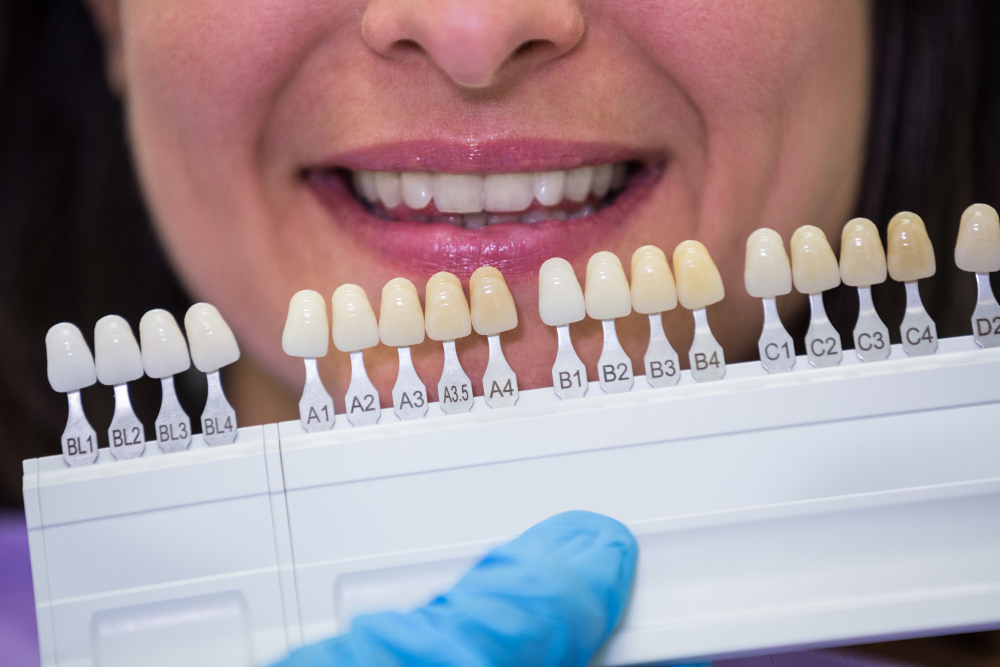
Introduction
Many people worry about chipped or discoloured teeth. If you are looking for the best fix, you may wonder about veneers vs direct composites for chipped or discoloured teeth. Both are popular cosmetic dentistry options. However, each has its own benefits and drawbacks. In this blog, we will explain these treatments in simple terms. We will also help you decide which one might suit your needs best.
What Are Veneers?
Veneers are thin shells made from porcelain or resin. Dentists place them on the front surface of your teeth. As a result, they cover chips, stains, or gaps. Veneers look very natural. In fact, they are often used in smile makeovers. According to the American Dental Association, veneers can last many years with proper care. However, getting veneers usually requires removing a small amount of tooth enamel.
What Are Direct Composites?
Direct composites are tooth-colored materials that dentists apply directly to your teeth. They are shaped and hardened during your visit. Because of this, the treatment is quick and less invasive. Direct composites can fix chips, cracks, or discoloration. They are also called dental bonding. The American Dental Association notes that this option is more affordable than veneers. However, composites may not last as long.
Comparing Veneers and Direct Composites for Chipped or Discoloured Teeth
When choosing between veneers and direct composites, it helps to compare their features. Both can improve your smile, but they work in different ways. For example, veneers are stronger and more stain-resistant. On the other hand, direct composites are easier to repair if damaged. Let’s look at some key points:
Pros and Cons of Each Option
Both treatments have their own pros and cons. Understanding these can help you make a better choice. For instance, veneers are great for long-lasting results. Yet, they are more costly. Meanwhile, direct composites are quick and affordable. However, they may stain or chip more easily.
How to Choose the Right Treatment
Choosing the best fix for chipped teeth or discoloured teeth depends on your needs. First, think about your budget. Veneers cost more, but they last longer. Next, consider how much time you can spend at the dentist. If you want a quick fix, direct composites may be better. Also, talk to your dentist about your goals. They can help you decide which option fits your smile and lifestyle.
Cost, Durability, and Maintenance
Cost is an important factor for many people. Direct composites are usually less expensive than veneers. However, veneers may save money in the long run because they last longer. In terms of durability, veneers can last 10–15 years or more. Composites may last 3–7 years. For maintenance, both need good oral care. Still, veneers resist stains better. But, you should avoid biting hard objects with either option. Regular dental check-ups are also important.
Prevention and Oral Care Tips
Even after treatment, caring for your teeth is key. Here are some simple tips to keep your smile bright:
By following these steps, you can help prevent chips and stains in the future.
Conclusion
In summary, both veneers and direct composites are good cosmetic dentistry options for chipped or discoloured teeth. Each has its own benefits and drawbacks. Therefore, it is important to talk with a qualified dentist at Reliable Superspeciality Dental Care and Implant Centre. They can help you find the best solution for your smile and needs. Do not hesitate to book a dental visit and discuss your options today.