
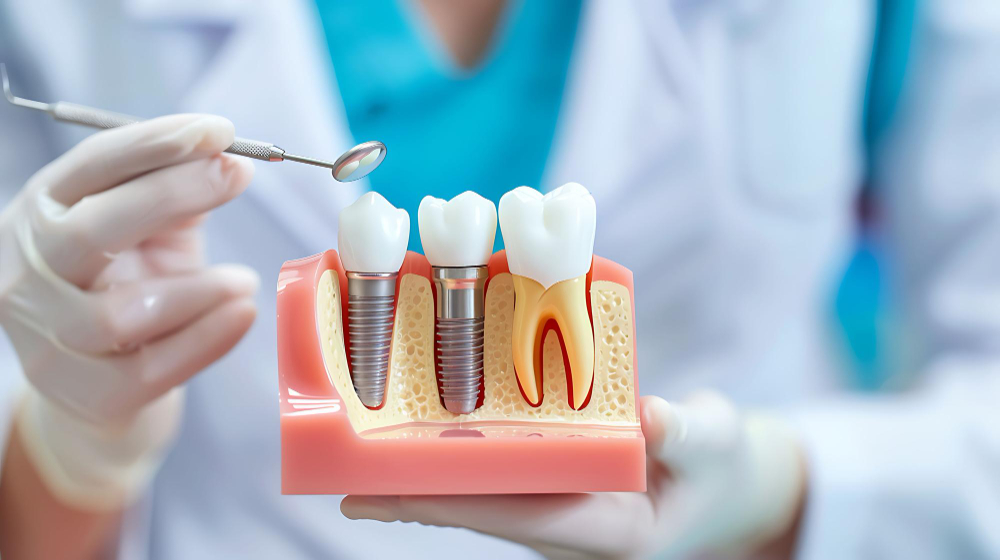
Dental implants are a popular way to replace missing teeth. They act as strong, long-lasting supports for artificial teeth. Many people choose dental implants because they look and feel like natural teeth. In this blog, you will learn what dental implants are, their benefits, the dental implant procedure, aftercare tips, and important risks to consider. Understanding dental implants can help you make the best choice for your oral health.
What Are Dental Implants?
Dental implants are small metal posts, usually made of titanium. Dentists place them into the jawbone where teeth are missing. Over time, the bone grows around the implant, making it stable. After healing, a dentist attaches a crown, bridge, or denture to the implant. This creates a strong, natural-looking tooth replacement.
There are two main types of dental implants:
Dental implants can replace one tooth, several teeth, or even all teeth in the mouth.
Benefits of Dental Implants
Dental implants offer many advantages over other tooth replacement options. For example, they help improve oral health and provide a permanent solution. Here are some key benefits:
Because dental implants act like real teeth, they make daily life easier and more comfortable.
The Dental Implant Procedure
The dental implant procedure usually takes several steps. Although the process can take a few months, each step is important for long-term success.
Throughout the dental implant procedure, your dentist will guide you and answer any questions.
Aftercare and Recovery
Proper aftercare is important for healing and long-term success. Right after surgery, you may have some swelling or mild pain. However, these symptoms usually go away in a few days.
Here are some helpful aftercare tips:
Most people heal within a few weeks. But, full healing of the bone may take a few months. If you notice unusual pain, swelling, or bleeding, contact your dentist right away.
Risks and Considerations
Dental implants are safe for most people. Still, like any surgery, there are some risks. For instance, you may have infection, nerve damage, or implant failure. These problems are rare, especially when a skilled dentist performs the procedure.
Some people may not be good candidates for dental implants. For example, those with certain health conditions or weak jawbones may need other options. Always discuss your health history with your dentist before starting the dental implant procedure.
If you have severe pain, swelling, or fever after surgery, contact your dentist as soon as possible.
Frequently Asked Questions About Dental Implants
How long do dental implants last?
With good care, dental implants can last many years. In fact, many people keep their implants for life. Regular dental checkups and good oral hygiene help implants last longer.
Is the dental implant procedure painful?
Most people feel little pain during the procedure. Dentists use local anesthesia to numb the area. After surgery, mild discomfort is normal, but it usually goes away quickly.
How much do dental implants cost?
The cost of dental implants varies. It depends on the number of implants, your location, and your dentist’s experience. While dental implants may cost more than other options, they often last longer and need less maintenance.
Can anyone get dental implants?
Most adults with healthy gums and enough jawbone can get dental implants. However, some health conditions may affect your suitability. Your dentist will check your health and discuss the best options for you.
Conclusion and Next Steps
Dental implants are a strong, lasting way to replace missing teeth. They look and feel natural, help protect your oral health, and can improve your quality of life. Although the dental implant procedure takes time, the results are worth it for many people.
To learn if dental implants are right for you, consult a qualified dentist at Reliable Dental Care and Implant. They can answer your questions and help you make the best choice for your smile.