Oral unhygiene means not keeping your mouth clean. It can lead to problems with your teeth and gums. However, it can also harm your whole body. The impact of oral unhygiene on systemic health is serious. Studies show that oral health and body health are closely linked. Poor oral hygiene can increase your risk for diseases. These include heart disease, diabetes, and more. Oral bacteria and systemic illness often go hand in hand. So, caring for your mouth helps protect your overall health. Let’s explore why oral hygiene and disease prevention matter for everyone.
What is Oral Unhygiene?
Oral unhygiene happens when you do not clean your teeth, gums, and tongue well. This can mean skipping brushing or flossing. It can also mean not visiting the dentist. Over time, bacteria build up in your mouth. As a result, you may get cavities, gum disease, or bad breath. But the effects do not stop there. These bacteria can enter your bloodstream. Then, they may affect other parts of your body. So, keeping your mouth clean is very important.
How Oral Unhygiene Affects Systemic Health
Many people think oral health only affects the mouth. However, research shows it can impact your whole body. When you have gum disease, bacteria can travel from your mouth to other organs. Because of this, your immune system may become stressed. In some cases, this can lead to inflammation in other areas. For example, oral bacteria can reach your heart or lungs. This may raise your risk for serious health problems. Therefore, good oral hygiene supports your overall well-being.
Common Systemic Diseases Linked to Poor Oral Hygiene
Poor oral hygiene is linked to several health conditions. Some of the most common include:
According to the CDC, keeping your mouth healthy can help lower these risks.
Signs and Symptoms to Watch For
It is important to notice signs of poor oral hygiene early. Some common symptoms include:
If you notice these signs, take action quickly. Early care can prevent bigger health problems.
Prevention and Best Practices for Oral Hygiene
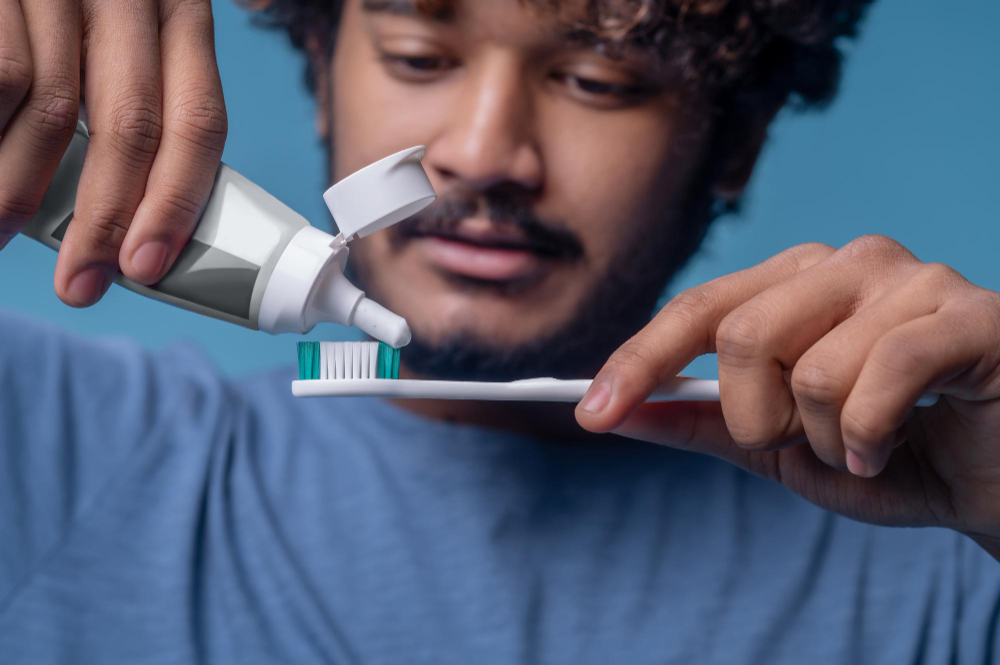
Good oral hygiene is simple and effective. Here are some best practices:
By following these steps, you can protect both your mouth and your body.
When to Seek Professional Dental Care
Sometimes, home care is not enough. You should see a dentist if you have:
Early treatment can stop problems from getting worse. Moreover, your dentist can give advice on oral hygiene and disease prevention.
Conclusion
In summary, the impact of oral unhygiene on systemic health is real and important. Poor oral care can lead to serious health issues beyond your mouth. However, simple daily habits can make a big difference. Take care of your oral health to protect your whole body. Consult a dental professional at Reliable Dental Care and Implant for personalized advice on maintaining oral and overall health.